
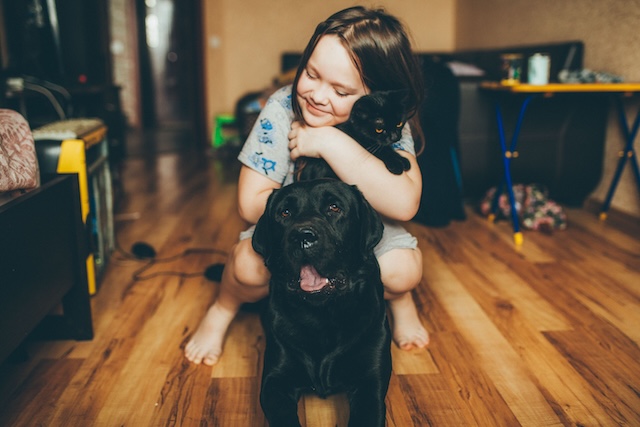
The backpacks are packed, school buses are rolling again, college students are heading back to campus, and after a busy summer, families everywhere are settling back into their fall routines.
But there may be one member of the family wondering where everybody went.
Your pet!
Summer often brings a very different rhythm to our homes. Kids may be home from school, families take vacations, schedules are more flexible, and our dogs and cats may enjoy considerably more activity and companionship throughout the day.
Then August arrives, and suddenly the house gets quiet.
While getting back into a routine can feel great for us, a significant change in schedule can take some adjustment for our pets, too. According to the American Animal Hospital Association (AAHA), sudden changes in an owner’s schedule can contribute to separation-related anxiety in pets, and maintaining predictable routines can help provide a greater sense of security.
The good news? With a little preparation and consistency, we can help our pets settle happily into their new fall routine.
1. Ease Them Back Into the Routine

Whenever possible, don’t wait until the first full day of school or work to introduce your pet to being alone again.
Start practicing your fall schedule gradually. Leave the house for shorter periods, encourage your pet to relax independently while you’re home, and begin shifting meals, walks and playtime toward the times they’ll normally happen during the school and work week.
If your dog has spent most of the summer with someone home, for example, a sudden jump from constant companionship to eight hours alone can be a pretty big change.
Gradual practice helps teach your pet something very important:
My family leaves—and they always come back.
Both the ASPCA and AAHA recommend gradually increasing periods of alone time rather than making an abrupt transition whenever possible.
2. Create a Predictable Daily Routine

Pets may not be able to read a clock, but they become remarkably familiar with the rhythms of our households.
Breakfast happens. Then comes the morning walk. Everyone leaves. There’s an afternoon potty break. Dinner happens around the same time. Then maybe there’s an evening walk, play session or snuggle on the couch.
Predictability can be comforting.
Try to keep feeding, bathroom breaks, exercise, play and bedtime relatively consistent as your family’s schedule changes. That doesn’t mean every day has to operate down to the minute, but having a general rhythm can help your pet understand what comes next.
3. Don't Forget About Physical AND Mental Exercise
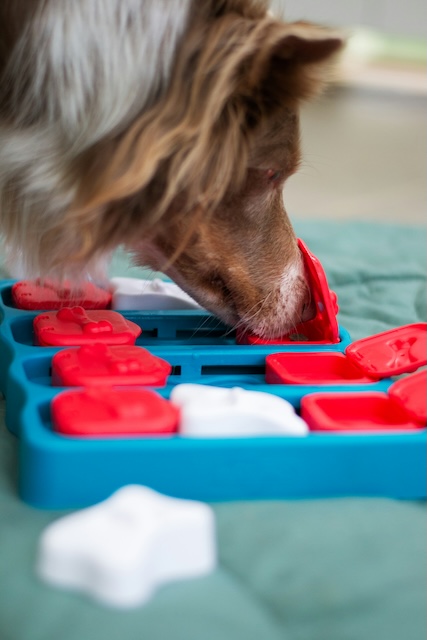
When the kids go back to school and parents return to busier work schedules, pets sometimes lose more than companionship—they lose activity.
Those spontaneous backyard play sessions, neighborhood walks and extra attention throughout the day may suddenly disappear.
Physical exercise remains important, but don’t overlook mental enrichment.
AAHA recommends providing pets with appropriate outlets for their energy, curiosity and natural instincts. Depending on your pet, enrichment might include:
- Puzzle or treat-dispensing toys
- Snuffle mats and food-foraging games
- Rotating toys so old favorites feel new again
- Short training sessions
- Sniff-focused walks
- Hide-and-seek games
- Interactive play
- Window perches, climbing spaces and interactive toys for cats
Sometimes exercising the brain is just as important as exercising the body.
4. Give Them Something Positive to Associate With Your Departure
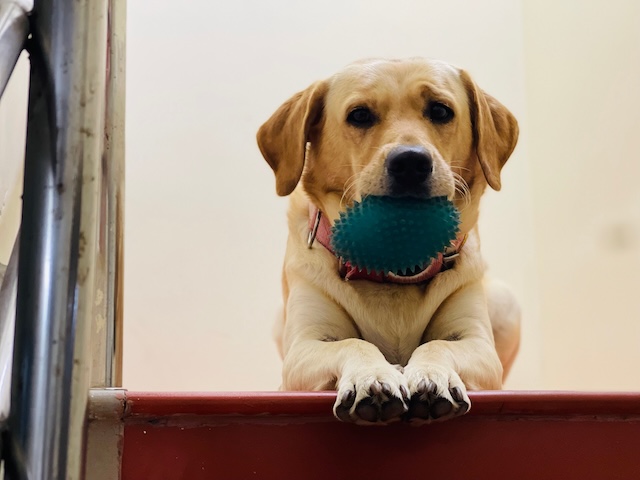
If grabbing your work bag, putting on your shoes or picking up your keys immediately sends your dog into a panic, those everyday actions may have become signals that you’re about to leave.
The ASPCA notes that some dogs learn to associate these “pre-departure cues” with being left alone.
You can help make departures feel more normal by occasionally picking up your keys or putting on your shoes without actually leaving. You can also offer a favorite enrichment activity shortly before you head out so your pet begins associating that part of the morning with something enjoyable.
Keep departures calm and matter-of-fact. You’re heading out—and you’ll be back!
5. Watch for Signs Your Pet Is Struggling
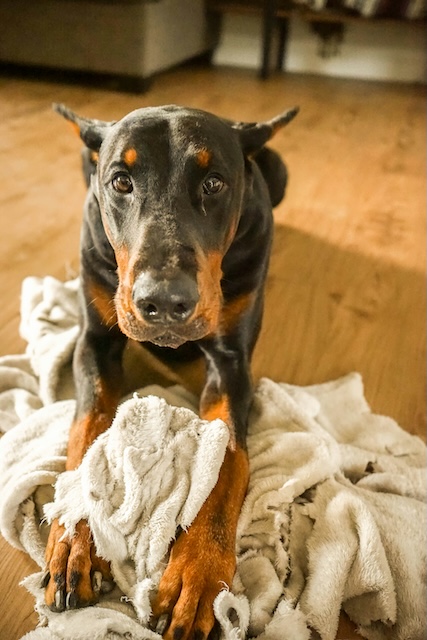
Some adjustment is normal, but significant or persistent behavioral changes deserve attention.
Signs of separation-related distress can include excessive barking, howling or whining; pacing or restlessness; destructive chewing or scratching around doors and windows; inappropriate urination or defecation; excessive salivating; refusing food; or becoming unusually withdrawn.
Cats can experience stress from changes in routine as well. Changes in vocalization, appetite, litter box habits, grooming, hiding or other normal behaviors may be worth discussing with your veterinarian.
And remember: behavior is communication.
If your pet suddenly begins doing something unusual, don’t assume they’re being “bad.” There may be an underlying behavioral or medical reason. Your veterinarian is always the best place to start when you notice a significant or sudden change.
6. Consider Breaking Up Those Long Days

Think about your own workday.
Imagine waking up, having breakfast and then spending the next eight, nine or even ten hours without stretching your legs, stepping outside, talking to another person or getting a change of scenery.
That’s a long day!
A midday dog walk or pet care visit can provide much more than a bathroom break. It can offer exercise, mental stimulation, companionship, affection and an important wellness check in the middle of the day.
For dogs, that might mean a neighborhood walk filled with plenty of opportunities to sniff and explore. For a senior pet, it might simply mean a gentle potty break and some loving companionship. And cats can benefit from interaction, play, enrichment and a little extra attention during an otherwise quiet day, too.
At 9 to 5 Pets, one of our favorite parts of what we do is becoming part of our pets’ routines. They learn when their Pet Care Professional usually arrives—and many of them are waiting at the door when we get there!
That consistency and relationship can become something they look forward to every day.
7. Make the Most of Your Time Together
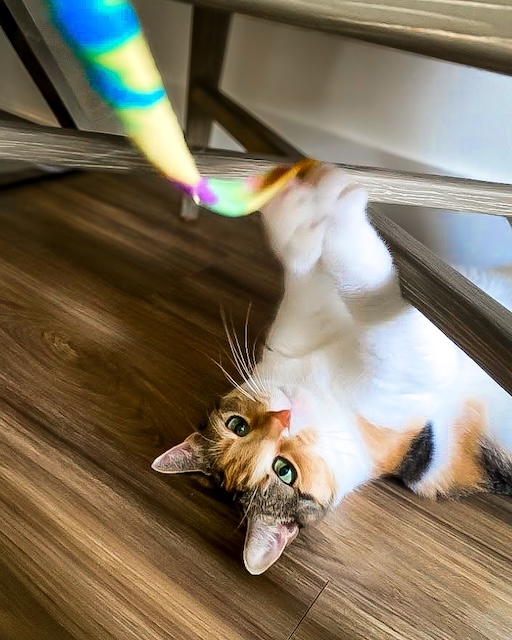
A busy fall schedule doesn’t necessarily mean you need hours of extra time with your pet every day.
Often, quality matters more than quantity.
Take the evening walk without rushing. Spend ten minutes playing tug or practicing a few training cues. Toss the ball in the backyard. Bring out the feather wand for your cat. Let your dog spend an extra few minutes sniffing that incredibly fascinating bush on your evening walk.
Those little moments add up.
A New Season for the Whole Family
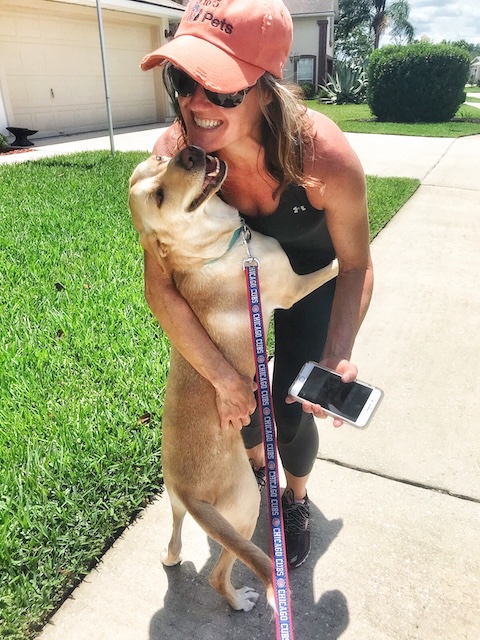
Back-to-school season represents a fresh start for so many families. New classrooms, new schedules, new activities, football games, fall travel and a return to familiar routines.
Our pets are adjusting right alongside us.
Giving them consistency, exercise, enrichment and meaningful companionship can make that transition much easier—and help everyone in the household settle happily into the season ahead.
And if your new fall routine means your best friend could use a little extra love during the day, the 9 to 5 Pets team is always happy to be part of their routine.
After all, peace of mind isn’t just knowing someone stopped by.
It’s knowing someone who genuinely cares is looking forward to seeing your pet just as much as your pet is looking forward to seeing them.
References & Additional Resources
- American Animal Hospital Association (AAHA): Separation Anxiety in Pets: Signs, Causes, and Solutions
- American Animal Hospital Association (AAHA): Enrichment: Supporting Your Pet’s Mental and Emotional Wellbeing at Home
- ASPCA: Separation Anxiety
- VCA Animal Hospitals: Separation Anxiety in Dogs